
What to Consider When Choosing Senior Alert Systems
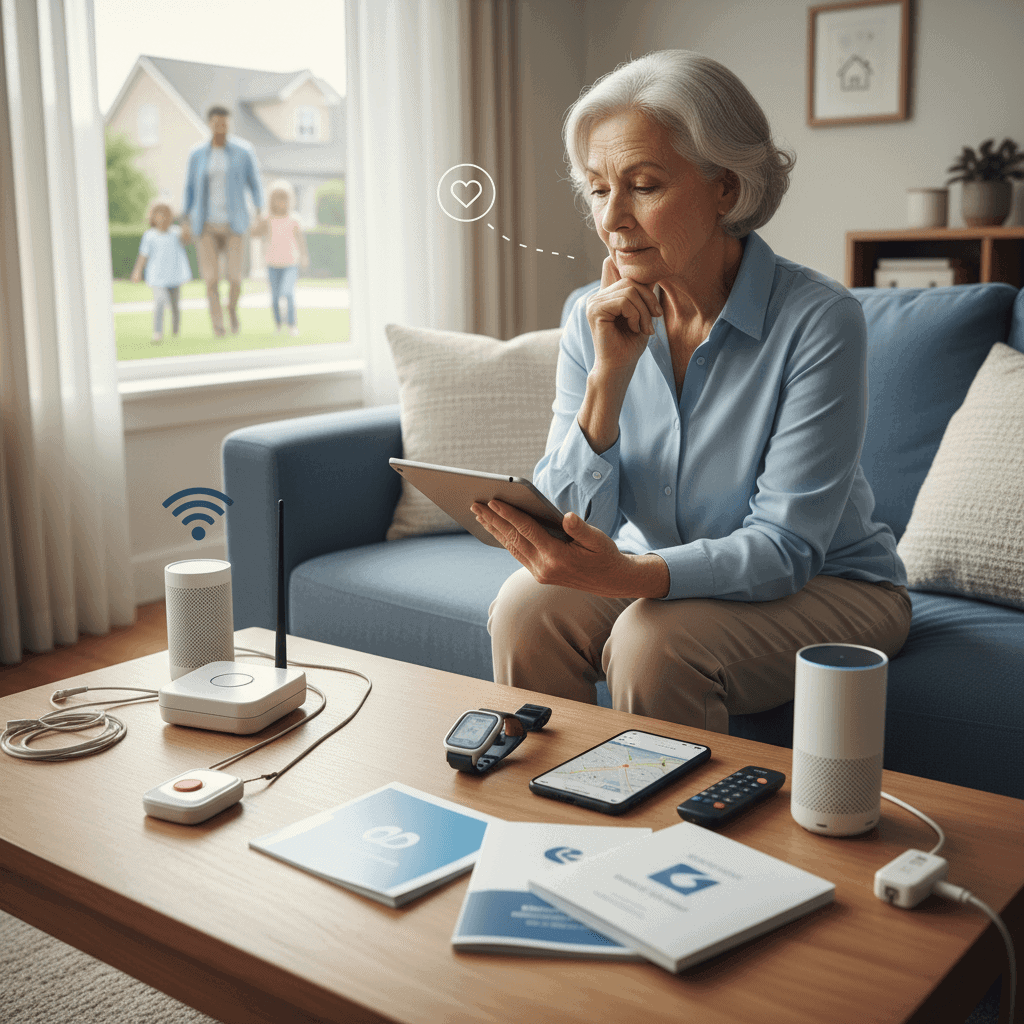
Ensuring the safety and independence of our aging loved ones is a top priority for many families today. As people age, challenges like falls, sudden medical issues, or simply needing assistance can arise without warning. This is where a well-chosen senior alert system becomes an invaluable tool.
I believe these systems offer a vital layer of security. They allow seniors to maintain their familiar routines and stay in their homes longer, giving everyone peace of mind. It is all about empowering older adults to live confidently knowing help is just a button press away.
The market has many options and picking the right one can feel overwhelming. I want to guide you through the important aspects of choosing a system that fits specific needs and preferences. Careful consideration makes a big difference in effectiveness and user satisfaction.
Understanding Different Types of Senior Alert Systems
When you start looking into senior alert systems, you will quickly notice that there are several main types available. Each one offers different benefits and is designed for various living situations. Understanding these differences helps to narrow down the best choice for your loved one.
I usually explain them in three broad categories. First, we have the in-home systems. These are often base units connected to a landline or cellular network, typically placed in a central location in the home. Users wear a pendant or wrist button and can press it if they need help anywhere within the home’s range. These systems are great for seniors who spend most of their time at home and have a stable connection.
Second, there are mobile systems. These devices are usually smaller and portable, often incorporating GPS technology. They are perfect for seniors who are active and frequently leave their home, whether for errands, walks, or social activities. A mobile system gives a sense of security even when they are out and about. It ensures help can find them regardless of their location.
Lastly, some modern systems integrate with smart home technology or offer advanced wearable options. These might include smartwatches with alert features or voice-activated assistants. These sophisticated options can provide additional features beyond emergency response, such as daily check-ins or medication reminders. The best system depends on the senior’s activity level and their comfort with technology.
In-Home Systems for Stationary Living
In-home systems remain popular for those who primarily stay indoors. They typically involve a lightweight, waterproof button worn as a pendant or on the wrist. When pressed, the button connects wirelessly to a base unit that then calls the monitoring center or designated contacts. The range of these systems usually covers the entire home and immediate yard.
I always suggest placing the base unit in a high-traffic area, like the living room or kitchen. This ensures clear two-way communication with the monitoring center. Power outages are a concern, so look for systems with a battery backup. This feature ensures continuous protection even if electricity goes out.
Mobile Systems for Active Seniors
For seniors who enjoy an active lifestyle, mobile alert systems provide freedom and reassurance. These devices are typically small, lightweight, and easy to carry. They often come with built-in GPS, allowing emergency services to pinpoint the user’s location accurately. This is very important if a fall happens away from home.
I recommend checking the cellular coverage in all areas where the senior spends time before choosing a mobile system. A reliable connection is critical for these devices to work properly. Many mobile systems also include fall detection, which is an excellent safety feature for those at risk of falling outside their home.
Assessing Essential Features for Your Lifestyle
Choosing the right senior alert system goes beyond just picking a type. You need to consider the specific features that will best serve the user’s lifestyle and potential needs. I have seen many families overlook key features that could make a huge difference in an emergency.
One of the most important features to look for is fall detection. Many systems now offer this technology. It automatically detects if a person has fallen and sends an alert without them having to press a button. This is crucial for situations where a senior might be unconscious or unable to reach their device after a fall. The accuracy of fall detection can vary, so research different brands and their reliability.
Another vital feature, especially for mobile systems, is GPS tracking. This allows emergency responders or family members to locate the senior quickly if they are outside their home. For those with memory issues or who enjoy walking in unfamiliar areas, GPS is non-negotiable. It provides an extra layer of security that traditional in-home systems cannot match.
I also prioritize systems with two-way communication. This means the senior can speak directly to a monitoring center agent through the device itself. It eliminates the need to rush to a phone and allows for immediate communication during an emergency. This can be very comforting for the user and ensures the monitoring center gets clear information about the situation.
Beyond these, consider features like waterproof devices. Most falls happen in the bathroom, so a waterproof pendant or wristband ensures protection even in the shower or bath. Long battery life is also important, especially for mobile units. Nobody wants to worry about their alert system dying halfway through the day. Finally, some systems offer automatic alerts for non-emergencies, such as medication reminders, which can be a great benefit for daily living.
Evaluating Monitoring Services and Response Times
The technology within a senior alert system is only as good as the monitoring service behind it. This is the human element that makes the system effective during an actual emergency. I always stress the importance of thoroughly investigating the monitoring center’s capabilities and reputation.
Most systems offer professional monitoring. This means a dedicated call center operates 24/7, ready to respond to alerts. When an alert is triggered, a trained operator assesses the situation and dispatches the appropriate help. This could be emergency medical services, a family member, or a neighbor, depending on the situation and the senior’s preferences.
Some systems also allow for family monitoring. This means alerts go directly to designated family members or friends instead of a professional center. While this can be a more personal approach, it requires family members to be consistently available and able to respond quickly. I find that professional monitoring offers a more reliable and immediate response because they are always staffed and equipped to handle emergencies.
Understanding Monitoring Center Certifications
I suggest looking for monitoring centers that hold recognized certifications. For example, certifications from organizations like The Monitoring Association TMA Five Diamond certification indicate high standards of quality and reliability. These certifications mean the center meets strict criteria for training, equipment, and redundant systems. This ensures service continuity even during disasters.
A certified center gives me confidence that operators are well-trained. They know how to handle various emergencies calmly and efficiently. This level of professionalism is crucial when every second counts.
Average Response Times and What to Look For
Response time is a key performance indicator for any senior alert system. This is the time it takes for an operator to answer an alert after it is triggered. Good systems aim for response times under 30 seconds. While small variations exist, consistently fast response is vital for timely assistance.
When I evaluate providers, I ask directly about their average response times and their procedures. I also consider what happens after the initial contact. Does the operator stay on the line until help arrives? Do they have access to medical information if needed? These details can significantly impact the outcome of an emergency. For more specific details on choosing these systems, I recommend looking at resources like this one on senior medical alert systems to help guide your decision process.
Considering Cost, Contracts, and Hidden Fees
The financial aspect of choosing a senior alert system is something I always discuss openly with families. Costs can vary widely depending on the system type, features, and monitoring service. It is important to understand all potential expenses upfront to avoid surprises.
Most systems involve an upfront equipment cost. This fee covers the base unit, wearable devices, and any additional sensors. Some providers offer free equipment with a long-term contract, but I recommend reading the fine print carefully. Sometimes, the “free” equipment means higher monthly fees or strict cancellation penalties.
The primary ongoing expense is the monthly monitoring fee. This fee pays for the 24/7 professional monitoring service. It can range from $20 to $50 per month, sometimes more for systems with advanced features like GPS or fall detection. I always compare these fees across different providers and ensure I understand what is included in the monthly price. Some companies charge extra for certain features that others include as standard.
You should also ask about installation fees. While many systems are designed for easy self-installation, some providers offer professional installation for an additional charge. If the senior is not tech-savvy, this might be a worthwhile expense for peace of mind. Also, inquire about activation fees, which are one-time charges to set up the service.
Finally, I warn families to be very careful with cancellation policies and long-term contracts. Some companies require a yearly contract, while others offer month-to-month service. I prefer month-to-month if possible, because it offers more flexibility. Always clarify any penalties for early cancellation or hidden charges for extra services like battery replacements or false alarms. A clear understanding of these financial details helps you make a truly informed decision.
Ease of Use and User Comfort Are Key
Even the most technologically advanced senior alert system is useless if the senior cannot or will not use it. That is why ease of use and user comfort are critical considerations I always bring up. The system must feel natural and non-intrusive for daily living.
The simplicity of devices is paramount. Buttons should be large, easy to press, and clearly labeled. Complicated menus or multiple small buttons can cause confusion and frustration, especially during an emergency. I look for designs that are intuitive and require minimal effort to operate. Voice prompts and clear instructions from the device itself can also be incredibly helpful, guiding the user through the process of triggering an alert or confirming a call.
Comfort of wearables is another major factor. The pendant or wristband should be lightweight and comfortable to wear all day and night. If it is uncomfortable, the senior might take it off, leaving them unprotected. I often suggest trying different styles to see what feels best. Some pendants are designed to be discreet, while others are more robust. Finding the right balance between comfort and durability is essential.
I also stress the importance of regularly testing the system. This ensures everyone involved knows how it works and that the equipment is functioning correctly. A simple monthly test call to the monitoring center or a family member can build confidence in the system. It also helps the senior feel more comfortable using it when a real emergency arises. It becomes a routine rather than a scary unknown.
The Importance of Family Involvement and Support
Choosing and implementing a senior alert system is often a family decision. It works best when everyone is involved and supportive. I have seen firsthand how much easier this process becomes when family members work together with the senior to find the right solution.
Involving the senior in the decision-making process is crucial. They are the primary user, so their preferences and comfort levels matter most. I encourage open conversations about their concerns and what features would make them feel safer. This ensures they feel a sense of ownership over the system and are more likely to use it effectively. When we collaborate, it is not just “us choosing for them” but “us choosing with them.”
Setting up emergency contacts correctly is another vital step. Most systems allow for multiple contacts, including family, friends, and neighbors. I advise creating a clear order of contact and ensuring all designated individuals understand their role and responsibilities. Regularly updating this list is also important, as contact information or availability can change over time. This creates a strong support network.
We should also have honest discussions about preferences for privacy and independence. While senior alert systems enhance safety, some seniors may initially feel they infringe on their autonomy. I explain that these systems are tools for maintaining independence, not taking it away. They provide the confidence to continue living life on their terms. This helps bridge any apprehension and ensures the senior embraces the system as a helpful aid.
Family support extends beyond setup too. Regular check-ins, reminding the senior to wear their device, and participating in occasional test calls reinforce its value. This collective effort builds a stronger safety net. It ensures the system is not just a piece of equipment but a reliable part of their daily life, supported by a caring network.
Making the Best Choice for Your Loved One’s Safety
Selecting the right senior alert system is a critical decision that directly impacts the safety and peace of mind for older adults and their families. I have outlined many important factors to weigh. These include understanding the different types of systems available, from stationary in-home units to mobile devices with GPS, and assessing crucial features like automatic fall detection and two-way communication. I also highlighted the importance of a reliable monitoring service, which means looking for certified centers with quick response times. Financial considerations, such as equipment costs and monthly fees, must be transparently evaluated to avoid hidden charges.
Ultimately, the best senior alert system is one that seamlessly integrates into the user’s daily life, offering both ease of use and maximum comfort. It is important that the device is not just effective but also something the senior feels comfortable wearing and operating. Furthermore, I believe that family involvement is a cornerstone of this decision-making process. Engaging the senior in discussions, establishing a clear network of emergency contacts, and respecting their desire for independence all contribute to a successful implementation. Taking the time to research thoroughly and consider individual needs ensures you choose a system that provides lasting security and freedom. This helps foster an environment where seniors can thrive with confidence and continued well-being.